Logo enviro

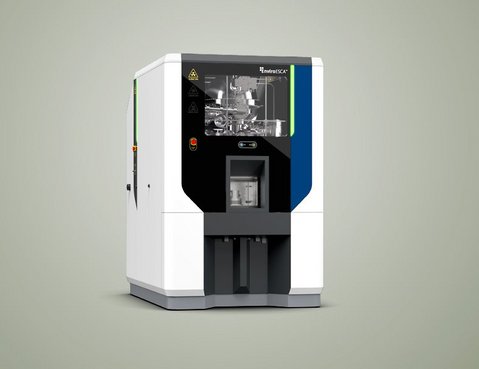
EnviroESCA

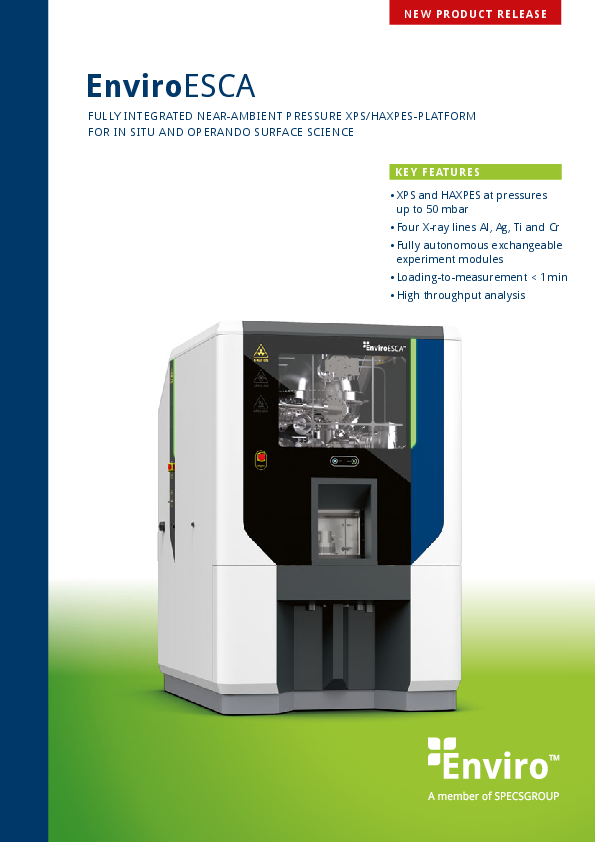
EnviroESCA bridges the material and pressure gaps by enabling realistic samples to be studied in the presence of gases, vapours and liq uids. In situ and operando measurements reveal surface composition, chemical states and reaction processes as materials interact, transform and perform under real-world conditions.

EnviroESCA is a dedicated NAP-XPS/HAXPES platform that complements conventional UHV-XPS by extending photoelectron spectroscopy into con trolled gas, vapour and liquid-containing environments. A differentially pumped electron analyzer captures photoelectrons close to the sample surface, reducing scattering losses along the electron path. Combined with multi-line, monochromated X-ray excitation, the system provides quantitative information on elemental composition, chemical states and electronic structure across a pressure range up to near-ambient conditions.

KEY FEATURES

  • XPS and HAXPES at pressures up to 50 mbar
  • Four X-ray lines Al, Ag, Ti and Cr
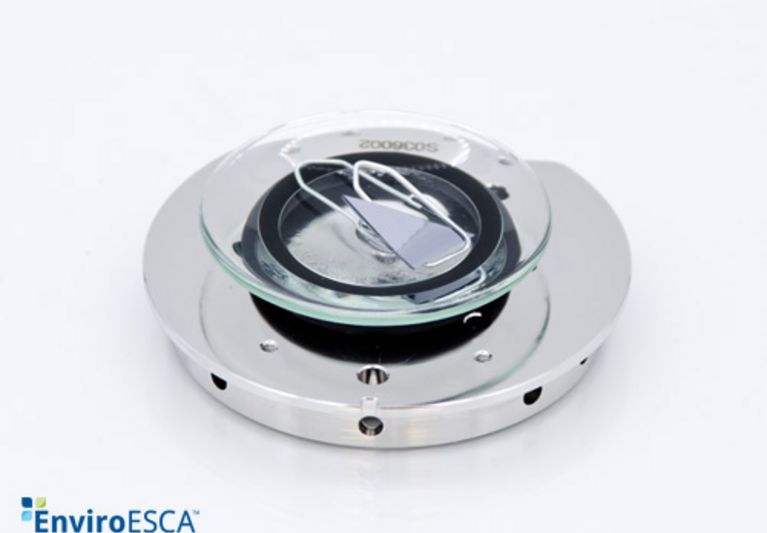
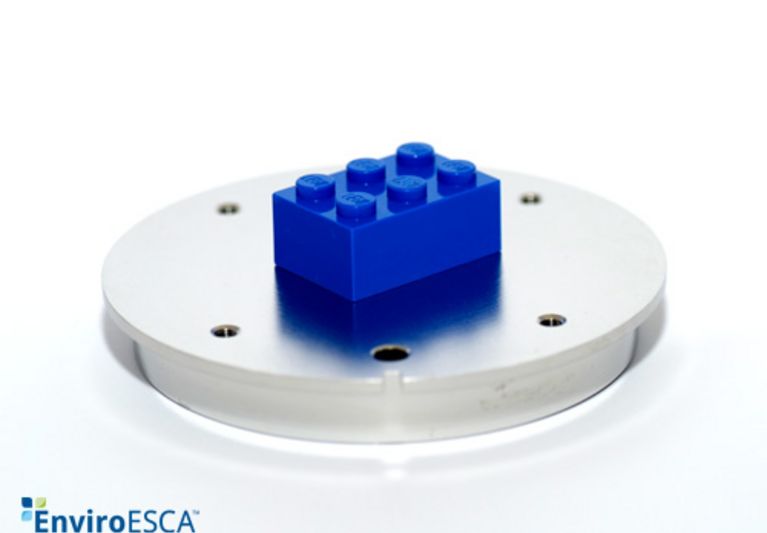
  • Exchangeable autonomous experiment modules for variable or high temperature treatments and electrochemical cells
  • Loading-to-measurement < 1 min
  • High throughput analysis

MADE FOR THESE METHODS

7

SPECIFICATIONS

EnviroESCA
Configuration
Electron Energy Analyser
  • High-transmission hemispherical electron analyzer with 150 mm mean radius
  • Differentially pumped lens system
  • Ultra-linear adaptive dimensions true-pulse counting AD-CMOS detector
X-Ray Source
  • Standard: Al Kα micro-focused monochromator
  • Optional: Ag Lα, Ti Kα and Cr Kα lines for extended excitation energies
  • Spot size < 100 µm to 500 µm
Charge Neutralization
  • Environmental Charge Compensation
  • Floodgun
Ion Source (optional)
  • Scannable small spot ion source (200 eV – 5 keV)
  • Gas cluster ion source
Pumping System
  • Turbomolecular pumps
  • Oil-free backing pumps
Pressure Conditions
  • Defined by analyzer aperture (up to 100 mbar with an aperture of 300 µm; other aperture sizes on request)
Gas Dosing System
  • 5 separated gas dosers at analysis position
  • H2O vapour
  • Mass flow controllers
Cameras
  • 3 digital microscopes for sample navigation and documentation
Automation and Software
  • Keystone Software package
  • Fully automated vacuum and gas dosing system
  • Integrated Data Recording and Reporting

BUILD IN PRODUCTS

5

APPLICATION NOTES

Sputter Depth Profiling of Iodine in Organic Thin Films
This application note presents how the optional GCIB source of the EnviroESCA can be used for sputter depth profiling of iodine-containing (bio)organic thin film samples using Argon cluster…
download PDF
Photoelectron attenuation correction for quantitative NAP XPS
In this note we present quantitative NAP XPS results from a polytetrafluoroethylene (PTFE) sample using the EnviroESCA. A PTFE sample was analyzed in oxygen and water vapor atmospheres at…
download PDF
Operando NAP-XPS study of plasma-enhanced surface reactions
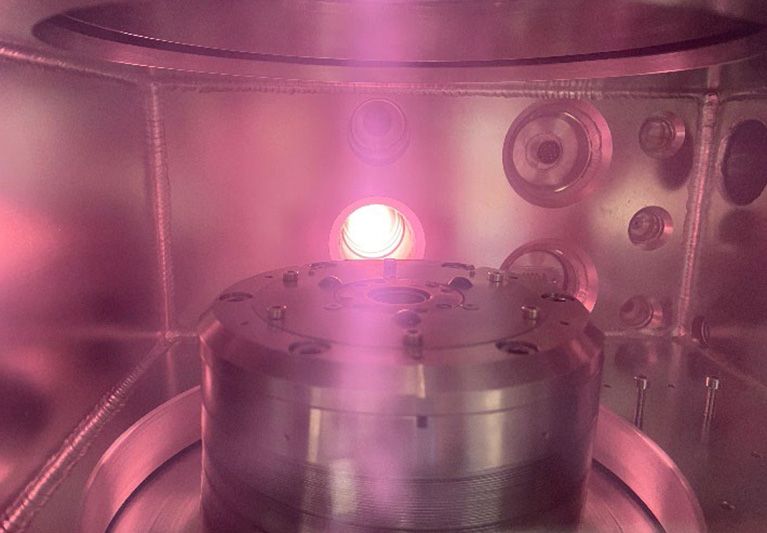
First results of an operando NAP-XPS experiment on a silver surface during an air plasma cleaning process are presented. The observed chemical changes are plasma-induced and monitored under…
download PDF
Near ambient pressure photoelectron spectroscopy of fruit and vegetables
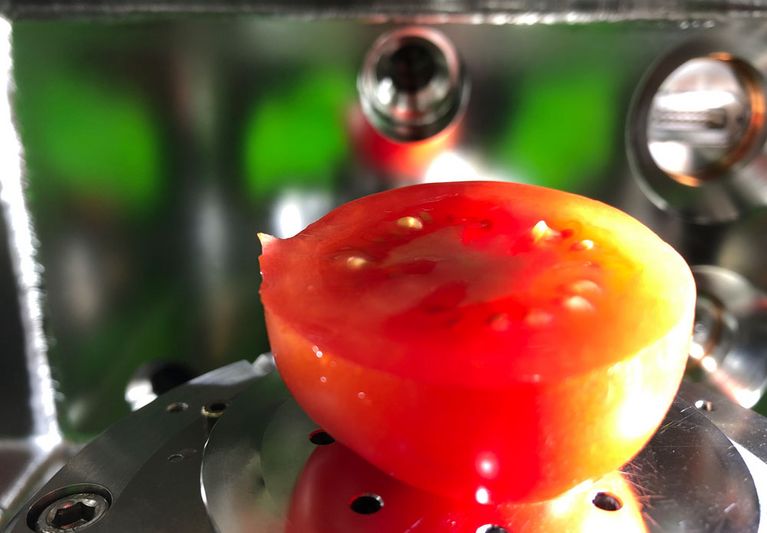
In this note we present first NAP-XPS results from a fresh tomato and apple using the EnviroESCA. Portions of tomato and apple were introduced into the system and the pressure was stabilized…
download PDF
AP-XPS investigations of a commercial lithium-based electrolyte
In this note we present first AP-XPS results from a commercial liquid electrolyte for lithium ion battery production recorded at 10 mbar in the EnviroESCA. The solution is LiPF6 in EC/DMC as…
download PDF
Investigation of Polymers and Plastics with EnviroESCA
This application note describes how EnviroESCA can be used to analyze the surface of polymers and bulk insulating material. EnviroESCAs ability to perform X-Ray Photoelectron Spectroscopy…
download PDF
Investigation of a Superabsorbent Polymer (SAP) with EnviroESCA
In this study we show how EnviroESCA can be used to analyze the surface of superabsorbent polymers under different environmental conditions. EnviroESCA’s ability to perform X-ray…
download PDF
XPS surface chemical analysis of aqueous solutions with EnviroESCA
In this study we present the capabilites of EnviroESCA to analyze the surface of various aqueous solutions under near ambient pressure conditions. Such investigations of aqueous solutions…
download PDF
XPS surface analysis of a human urolith with EnviroESCA
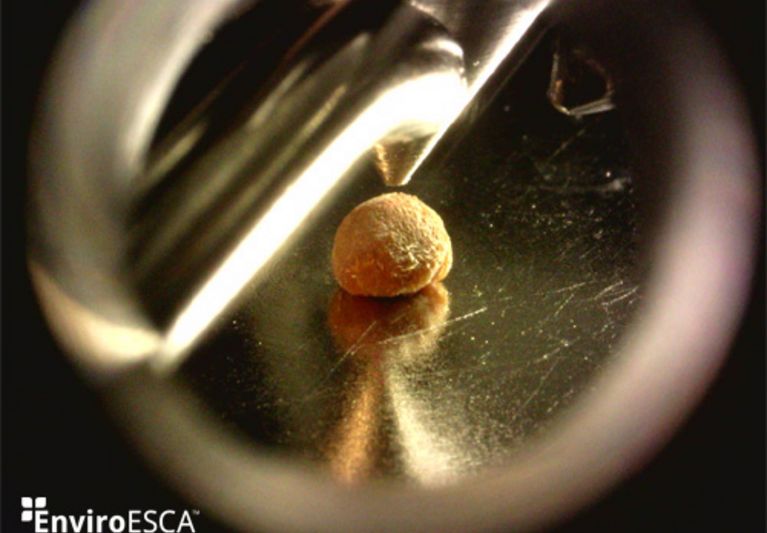
A single human urinary stone (urolith) was characterized using EnviroESCA. The result of surface chemical analysis of the as received samples is presented. Charge neutralization on this…
download PDF
XPS surface analysis of human tooth samples with EnviroESCA
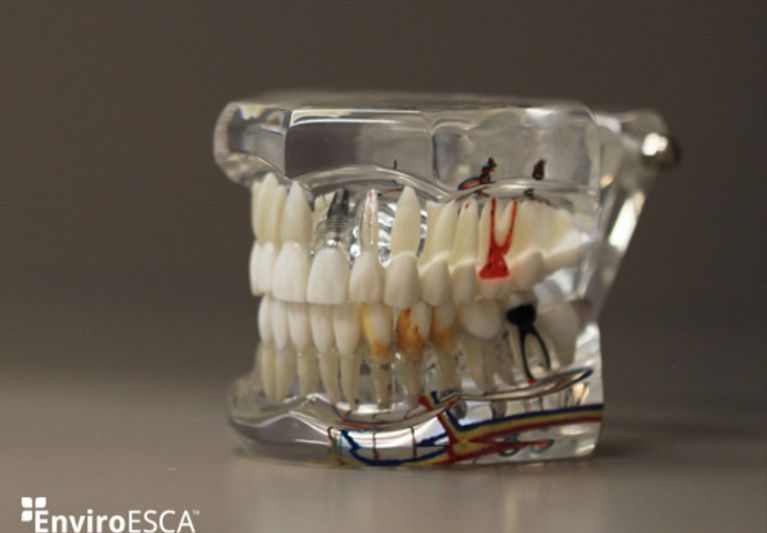
Human teeth from an adult and a baby were studied using EnviroESCA. The results of surface chemical analysis of the as-received human tissues samples are presented. Neutralization of the…
download PDF
XPS surface analysis of cuttlefish bone samples with EnviroESCA
Biological mineral samples from a cuttlefish (sepia) were studied using EnviroESCA. The results of surface chemical analysis of the native and ion implantation treated samples are presented.…
download PDF
XPS surface analysis of V2O5 upon heating with EnviroESCA
This application note presents how EnviroESCA can be used to analyze samples during heating under near ambient pressure conditions using various gas atmospheres. Such investigations of…
download PDF
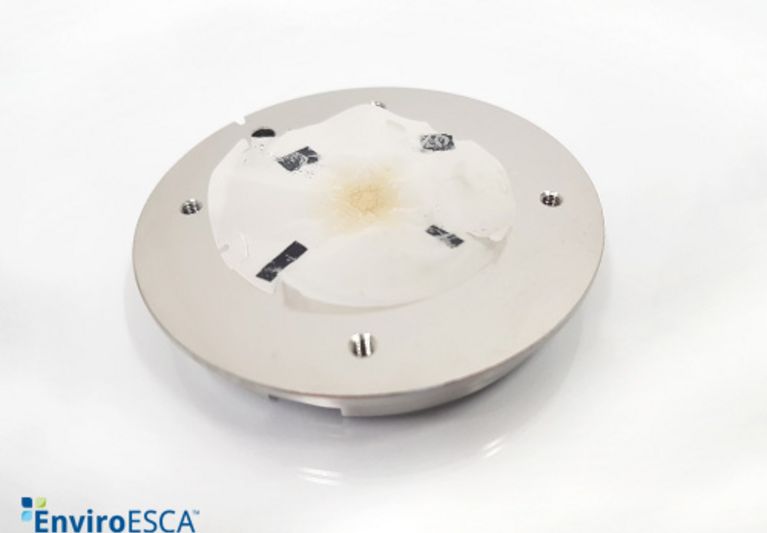
XPS surface chemical analysis of bacterial samples with EnviroESCA
This application note presents how EnviroESCA can be used to analyze bacterial samples under near ambient pressure conditions in various states of hydration using different levels of…
download PDF
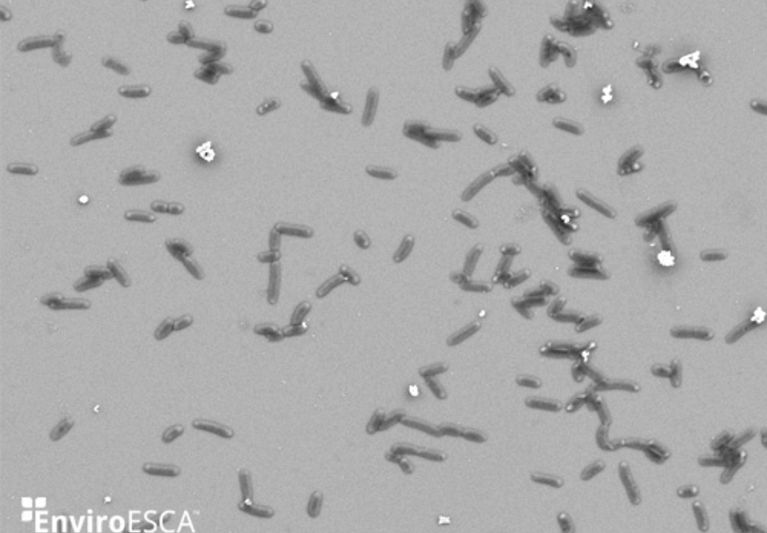
Near-ambient pressure XPS of hydrated Escherichia coli samples with EnviroESCA
This application note presents how EnviroESCA can be used to analyze E. coli biofilms on silicon under near ambient pressure conditions in various states of hydration. Such investigations of…
download PDF
Gas Cluster Ion Beam (GCIB) sputtering with EnviroESCA
This application note presents how the optional GCIB source at the EnviroESCA can be used to clean samples prior to XPS analysis to get reproducible analytical data and reliable…
download PDF
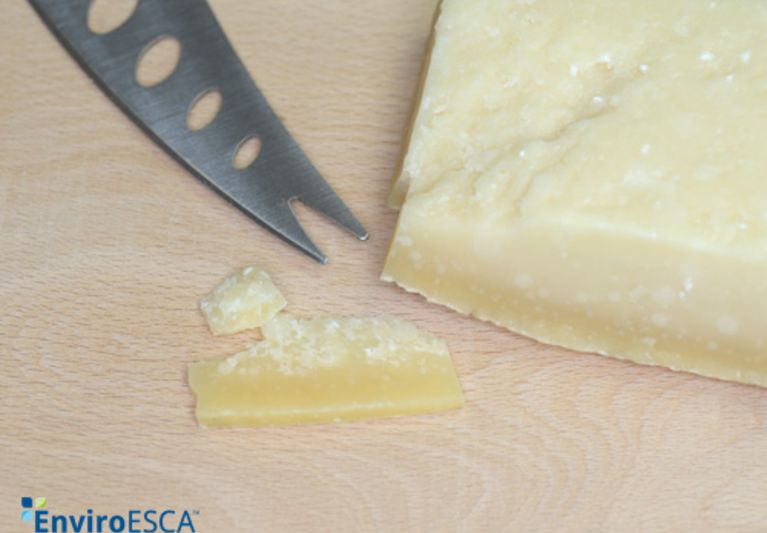
XPS surface analysis of Italian hard cheese with EnviroESCA
This application note presents how EnviroESCA can be used to analyze the surface of food samples, e.g., Italian hard cheese. Due to the advanced vacuum system of EnviroESCA the surface…
download PDF
XPS surface analysis of printed paper samples with EnviroESCA
Results of the surface analysis of four paper samples obtained in EnviroESCA are presented. Neutralization of this insulating biopolymer is accomplished by Environmental Charge Compensation…
download PDF
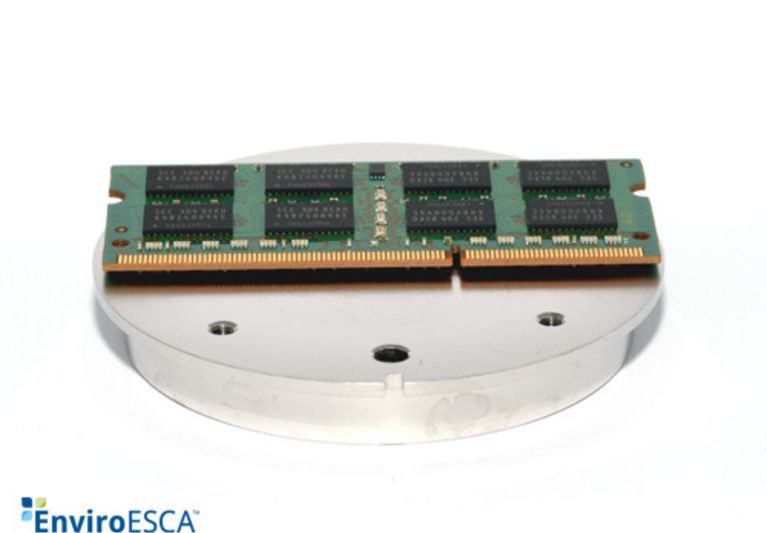
Real World Device Inspection Application with EnviroESCA
This application note introduces EnviroESCA as a tool for real world device inspection for microelectronics. A printed circuit board was taken directly from the sales packaging and was…
download PDF
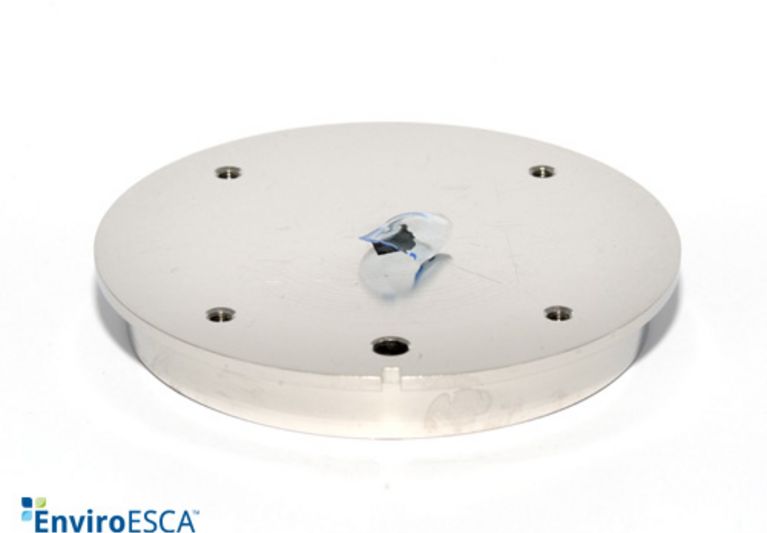
Investigation of Hydrogel Contact Lenses with EnviroESCA
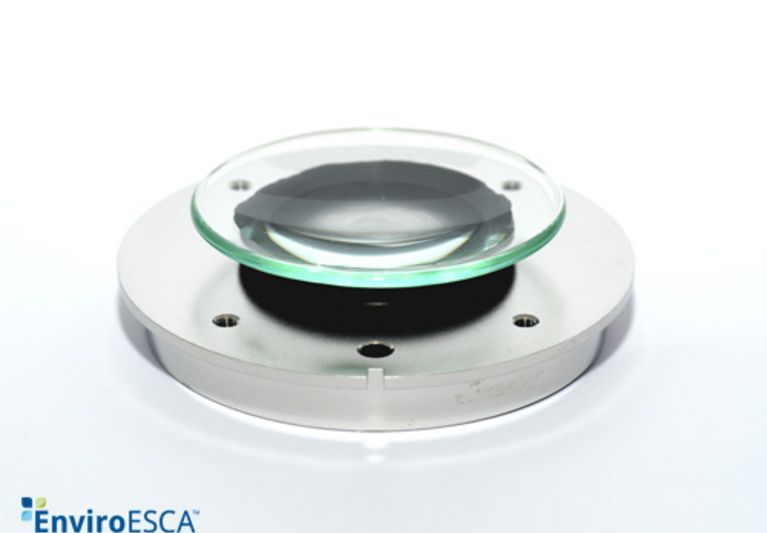
In this application note we analyze the surface of water filled hydrogels with EnviroESCA, Here, contact lenses serve as an example for medical and biomaterials. The advantage of such…
download PDF
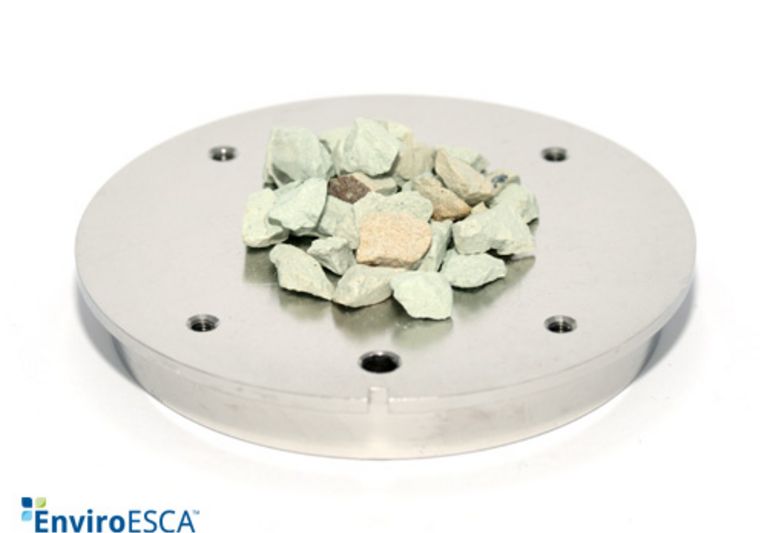
XPS surface analysis of Zeolites with EnviroESCA
In this note we demonstrate how the surface of Clinoptilolite, a natural zeolite, can be analysed with EnviroESCA. It describes how the Environmental Charge Compensation can be used to…
download PDF
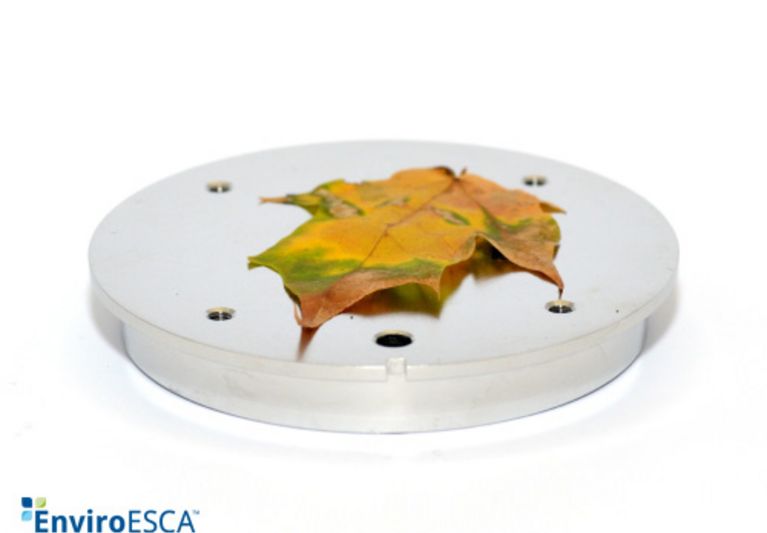
XPS surface analysis of a leaf with EnviroESCA
This application note presents the application of EnviroESCA to the field of biology and surface spectroscopy of biological samples. X-ray Photoelectron Spectroscopy (XPS) measurements on…
download PDF
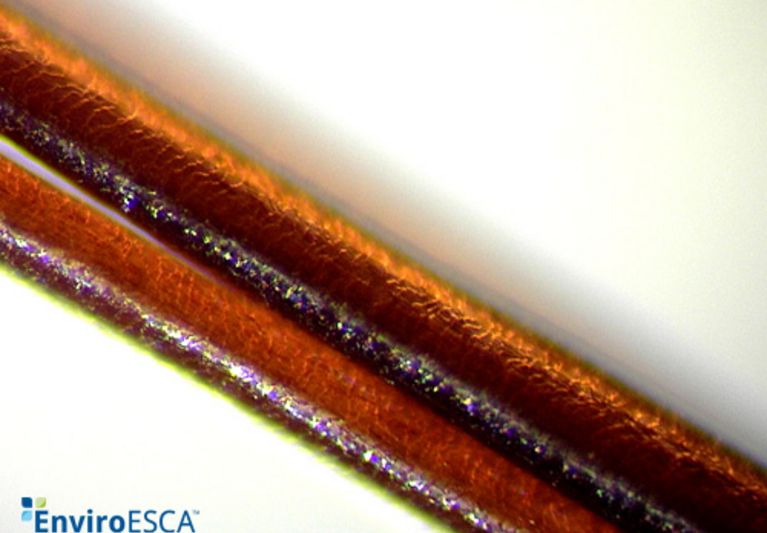
EnviroESCA and NAP-XPS in the field of Cosmetic Science
This application note presents the application of EnviroESCA to the field of Cosmetic Sciences and Forensic Sciences. Near Ambient Pressure X-ray Photoelectron Spectroscopy (NAP-XPS)…
download PDF
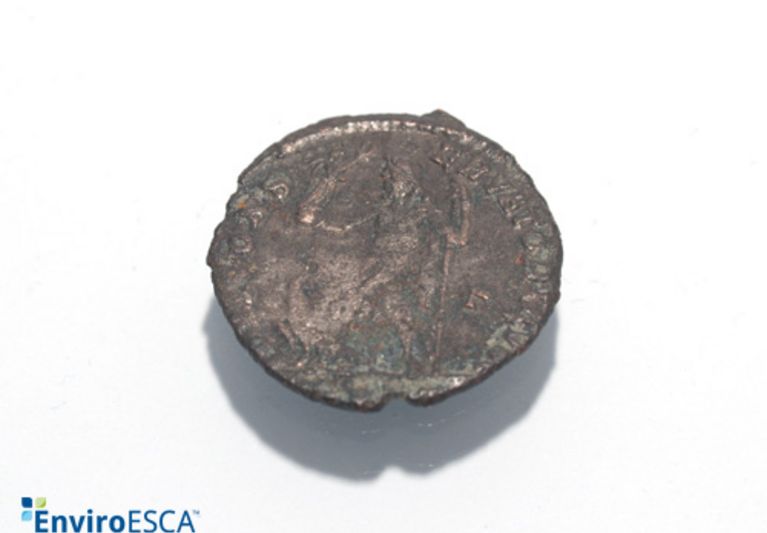
EnviroESCA applications in Scientific Archaeology
In the present application note EnviroESCA is used for chemical Analysis in the field of Archaeometry. Besides the ability of Near Ambient Pressure X-ray Photoelectron Spectroscopy (NAP-XPS)…
download PDF
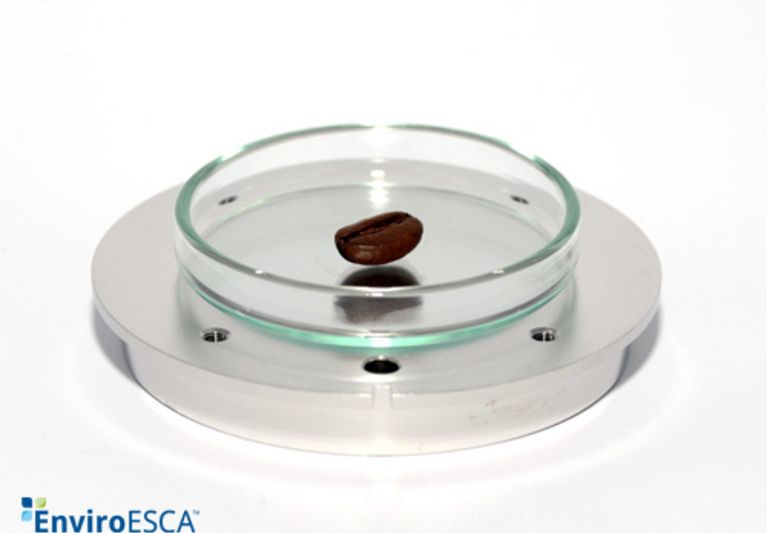
XPS surface analysis of a coffee bean with EnviroESCA
The Analysis of food and natural products under environmental conditions is of great importance due to their daily use and direct interaction with humans during consumption. In this study…
download PDF
XPS surface analysis of an ionic liquid with EnviroESCA
This application note presents how EnviroESCA can be used to analyze the surface of ionic liquids in contact with gases under application relevant conditions in the near ambient pressure…
download PDF
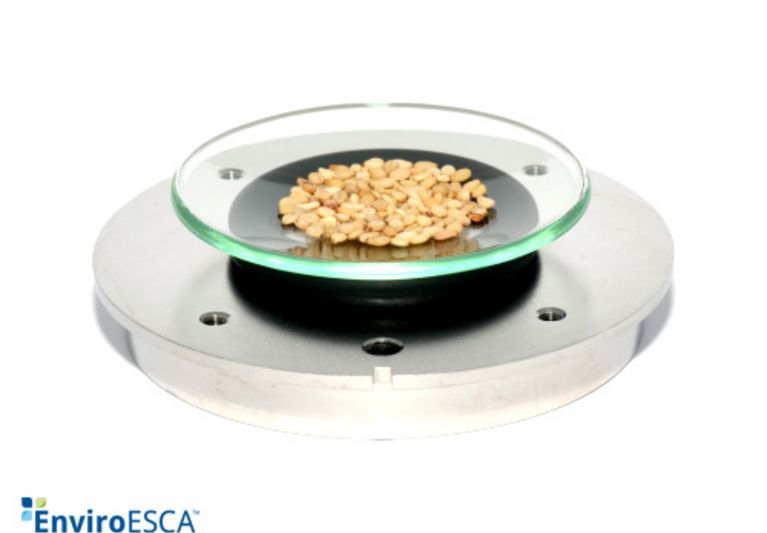
XPS surface analysis of sesame seeds with EnviroESCA
Results of the surface analysis of untreated food samples, e.g., sesame seeds, measured with EnviroESCA are presented. High resolution and high quality spectra are recorded using…
download PDF
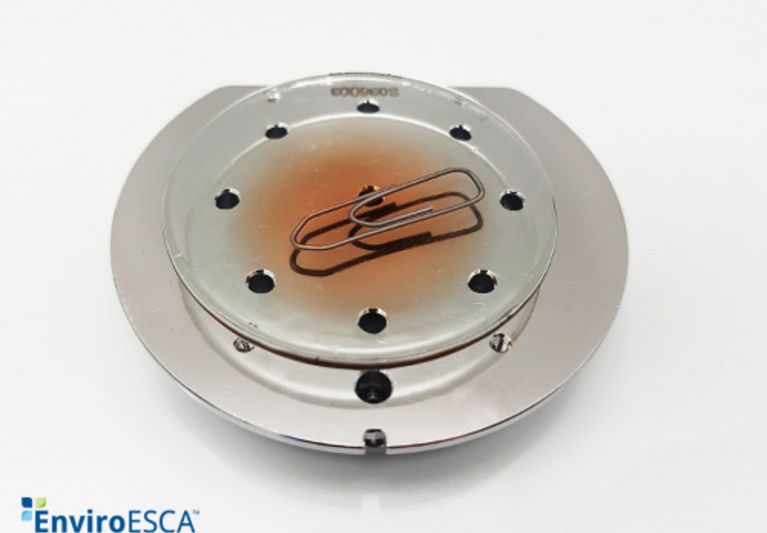
Corrosion study of a paper clip in vinegar with EnviroESCA
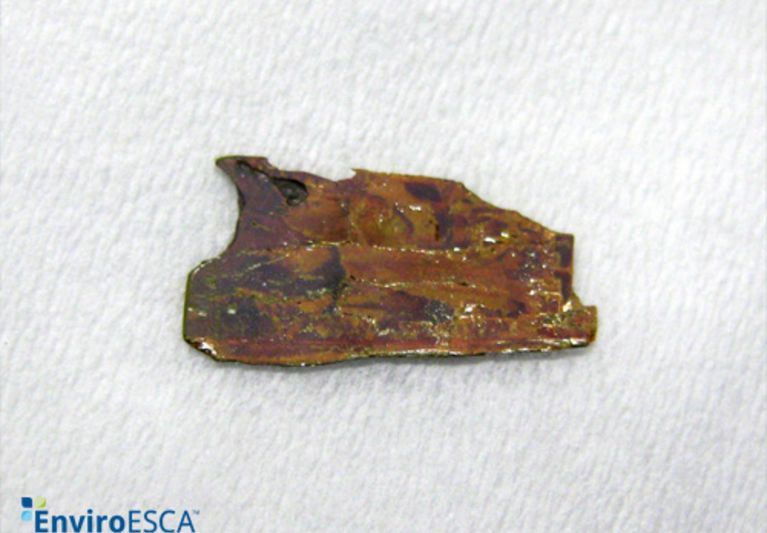
In this note we present (N)AP XPS results from the first comparative ex-situ and operando corrosion study on the reaction of commercial paper clips in concentrated vinegar solution…
download PDF

PUBLICATIONS

  1. (2026) Unlocking the Zn‑enriching potential of industrial yeast strains—an experimental journey from metal analysis to proteomics

    Nutritional supplements such as trace element-enriched yeasts are becoming increasingly popular to overcome the worldwide problem of zinc (Zn) deficiency. Unlike selenium-enriched yeast, which is already authorized in the European Union, Znenriched yeasts (ZnY) have not yet been approved for food purposes in the European Union, as their evaluation is still ongoing, demanding more comprehensive data regarding the Zn species present in ZnY. This study screens ten different industrial yeast strains regarding their Zn-enrichment quota, with further characterization of selected strains using spectroscopic and proteomic approaches. Microfermentation experiments on the industrial yeasts showed Zn levels spanning 0.06–51 pg/cell. Large-scale fermentation in bioreactors was carried out with two strains excelling in either biomass or Zn accumulation. A combination of inductively coupled plasma mass spectrometry (ICP-MS) and various spectroscopic methods confirmed the Zn enrichment, while suggesting that fractions of the Zn accumulated on the cell surface, with simultaneously high values of phosphorus being present. Speciation via X-ray absorption spectroscopy (XAS) analyses revealed that Zn species are transformed and Zn is coordinated to P-O-ligands and to amino acid ligands in both strains. Proteomic analysis showed that ZnY cells moved from a Zap1-governed Zn balance to an intracellular excess response, implying cellular Zn uptake. This study demonstrates that, in a Zn-excess medium, industrial yeast strains exhibit variability in Zn-accumulation capacity, cellular Zn-localization, and regulatory responses involving the expression of Zn-binding proteins. The presented findings contribute to optimizing industrial fermentation processes for producing Zn-rich yeast biomass and enhance the understanding of Zn regulation in yeast, aiding in the approval of Zn-enriched yeasts for supplements and novel food applications.


    Gina Grimmer,Julia Muenzner,Maximillian Schmacht,Maria Angels Subirana,Iris H. Valido,Philip Nickl,Paul M. Dietrich,Ievgen S. Donskyi,Dirk Schaumlöffel,Martin Hageböck,Michael Mülleder,Markus Ralser,Hajo Haase,Martin Senz,Maria Maares & Claudia Keil
    Applied Microbiology and Biotechnology
    Read more
  2. (2026) Boosting photocatalytic CO2 reduction to CH3OH on TiO2 via AuCu alloy synergistic catalysis without sacrificial agent

    Photocatalytic reduction of CO2 to methanol using water as a proton source offers a sustainable pathway for solar
    energy storage and carbon neutrality. However, its practical application is hindered by low quantum efficiency,
    rapid charge recombination, and reliance on sacrificial agents. Herein, we developed a bimetallic AuCu alloy
    supported on TiO2 nanoparticles (AuCu-TiO2) via a NaBH4 reduction method for efficient CO2-to-methanol
    conversion in the absence of sacrificial agents. The photocatalytic performance was correlated with in situ FTIR
    spectroscopy to unravel the synergistic roles of AuCu alloy sites and TiO2 in mediating CO2 reduction and H2O
    oxidation. CO2 activation by photogenerated electrons leads to the formation of critical intermediates like
    COOH* and CHO*, which undergo sequential hydrogenation to produce methanol. The Au-Cu synergy facilitates
    the hydrogenation of COOH* to CHO*, significantly boosting methanol selectivity. By optimizing the AuCu
    loading and Cu/Au molar ratio, the AuCu-TiO2 catalyst achieved a high methanol production rate of 63.31 μmol
    g? 1 h? 1 with 85.59 % selectivity. This work provides a general strategy for designing efficient bimetallic photocatalysts
    for selective CO2 conversion under environmentally benign conditions.


    Gangye Cen, Weiqun Chu, Jianfeng Lu, Jing Ding, Yukun Hu, Weilong Wang
    Journal of Environmental Chemical Engineering
    Read more
  3. (2026) Scalable Defect Engineering of Pt3Te4 Nanosheets Activates an Electro-Switchable and Termination-Dependent PtO2 Skin for Low Overpotential Hydrogen Evolution

    Topological materials are promising electrocatalysts for the hydrogen evolution reaction (HER) because of their protected electronic states and exceptional carrier mobility. Among them, the topological metal Pt3Te4 (mitrofanovite) exhibits low Tafel slopes in the nano crystals. Realizing this potential in scalable catalyst systems requires nanoscale texturing coupled with precise control of the surface chemistry under operating conditions. Herein, we demonstrate that hydrogenperoxide (H2O2)-assisted liquid-phase exfoliation (LPE) of bulkPt3Te4 yields nanoporous nanosheets that retain their metallic character and are chemically preconditioned to develop a bias-controlled PtO2 skin that governs the catalytic activity. Crucially, spectromicroscopy resolves termination-selective oxidation:PtO2 forms exclusivelyonPtTe2 liketerminations,whereasPt2Te2terminationsremainmetallic.Operando ambient-pressure X-ray photoelectron spectroscopy (AP XPS) in an electrochemical cell revealed the bias-dependent emergence of surface oxide phases inH2O2-treatednanosheets.The joint effect of the higher accessible site density imparted by nano porosity and the emergence of a bias-controlled PtO2/PtTe2 terminated Pt3Te4 surface junction rationalizes the improved catalytic activity:the over potential at 10mAcm−2 decreases by ∼30% (from 113.1 to 78.7 mV), while the exchange current density more than triples (from 0.106 to 0.347mAcm−2), all with an unchanged Tafelslope (∼53 mVdec−1) and sustainedstability over 50 h in acid.By combining a single scalable top-down step with operando proof that the catalytically active oxide is switched on by bias rather than being a staticpassivation layer, this study establishes aprecise interface-engineering principle for Pt3Te4 nanosheets and a practical path to efficient, scalable HER catalysts based on nano sheets of topological metals.


    Tsotne Dadiani,Gianluca D’Olimpio,Loreta Tamasauskaite-Tamasiunaite,Stefano Zenone,
    Chia-NungKuo,Matteo Amati,Zygmunt Milosz,Luca Gregoratti,Tomáš Hrbek,Miquel Gamón Rodríguez,Marian Cosmin Istrate,Chin Shan Lue,Yevheniia Lobko,Corneliu Ghi
    ACS Applied Materials and Interfaces
    Read more
  4. (2025) Investigation of solid-liquid interface interactions in transition-metal chalcogenides in saline environments by ambient-pressure X-ray photoelectron spectroscopy for applications in desalination and mineral recovery

    Here, we report on ambient-pressure X-ray photoelectron spectroscopy (AP-XPS) experiments aimed at exploring the complex surface interactions and dissolution behaviors of nanofillers in nanocomposites under high-salinity conditions pertinent to desalination and mineral recovery. In situ AP-XPS analysis at solid-liquid interfaces under near-ambient conditions provided experimental proof of salinity-induced partial dissolution and interactions with chloride ions, revealing the formation of complex surface-bound species. Transition-metal chalcogenides NiSe and CoSe were specifically selected as model nanofillers due to their potential in enhancing performance for membrane distillation (MD) and membrane crystallization (MCr) processes. Complementary density functional theory (DFT) simulations provided a detailed mechanistic understanding, offering a robust predictive framework validated by our experimental findings. This integrated approach elucidates critical physicochemical processes at the solid-liquid interface, guiding the design of more efficient and durable nanocomposite membranes for sustainable mineral recovery from brines.


    Danil W. Boukhvalov, Gianluca D'Olimpio, Tsotne Dadiani, Sergio Santoro, Anna Cupolillo, Chia-Nung Kuo, Chin Shan Lue, Maya Bar-Sadan, Tomáš Hrbek, Miquel Gamón Rodríguez, Michael Vorochta, Efrem Curcio, Antonio Politano
    Desalination, Volume 602, 10 May 2025, 118628
    Read more
  5. (2023) Near ambient pressure–x-ray photoelectron spectroscopy spectra of lithium bis(trifluoromethane-sulfonyl) imide in propylene carbonate

    Near ambient pressure–x-ray photoelectron spectroscopy (NAP-XPS) is a less traditional form of XPS that allows samples to be analyzed at relatively high pressures, i.e., at greater than 5000 Pa. NAP-XPS can probe moderately volatile liquids, biological samples, porous materials, and/or polymeric materials that outgas significantly. In this submission, we show the survey, Li 1s, S 2p, C 1s, N 1s, O 1s, and F 1s NAP-XPS spectra of a Li-based electrolyte solution, which is a material that would be difficult to analyze by conventional XPS. The measurements were performed at 200 Pa in ambient gas atmosphere to compensate for surface charging. Peak fits of the C 1s, O 1s, and F 1s narrow scans are presented.


    Paul M. Dietrich, Lydia Gerlein, Julia Maibach, Andreas Thissen
    J. Appl. Phys. 30, 014002 (2023)
    Read more
  6. (2023) NAP-XPS spectra of Lithium hexafluorophosphate (LiPF6) in ethylene /dimethyl carbonate

    Near ambient pressure – X-ray photoelectron spectroscopy (NAP-XPS) is a less traditional form of XPS that allows samples to be analyzed at relatively high pressures, i.e., at greater than 5000 Pa. NAP-XPS can probe moderately volatile liquids, biological samples, porous materials, and/or polymeric materials that outgas significantly. In this submission, we show the survey, Li 1s, P 2p, C 1s, N 1s, O 1s, and F1s NAP-XPS spectra of a Li-based electrolyte solution, which is a material that would be difficult to analyze by conventional XPS. The measurements were performed at 1000 Pa in ambient gas atmosphere to compensate for surface charging. Peak fits of the C 1s, O 1s, and F 1s narrow scans are presented.


    Paul M. Dietrich, Andreas Thissen
    Surface Science Spectra 30, 014003 (2023)
    Read more

DOWNLOADS

1
Close
Your web browser is deprecated
This could effect the presentation and some functions of our website.